 Granada CF Hub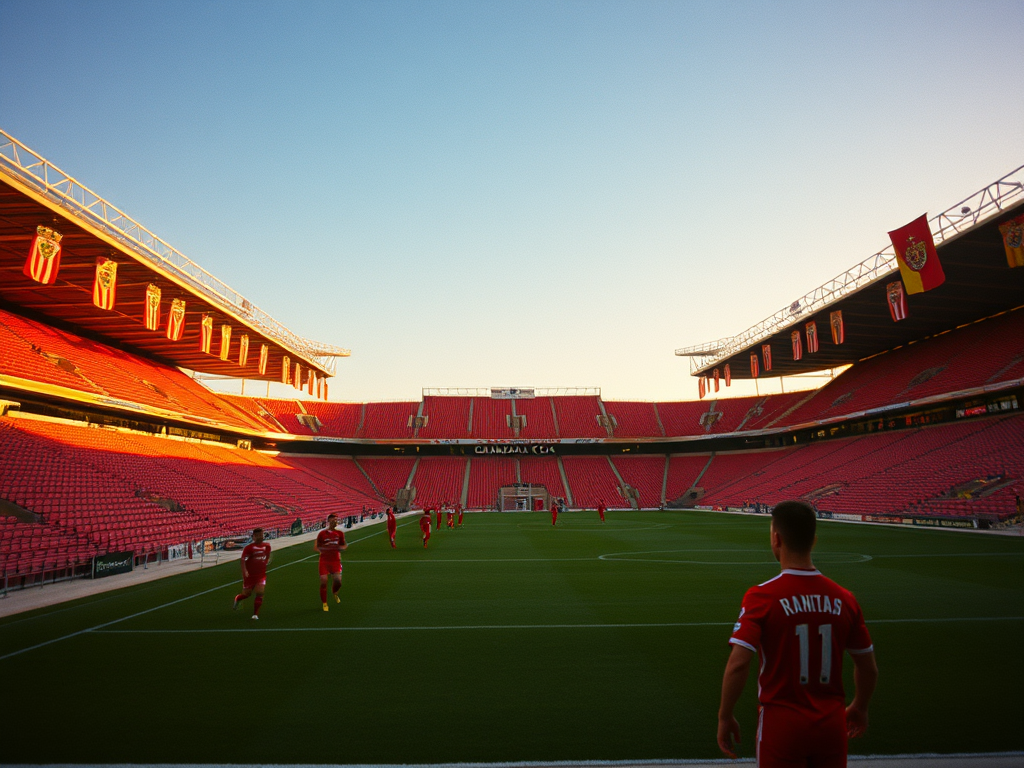
Granada CF, affectionately known as Los Nazaries, has recently showcased a blend of resilience and tactical adaptability on the pitch. As the season progresses, it is crucial to analyze the tactical identity of the team, especially considering their fluctuating performances. A thorough examination reveals key areas for potential tweaks that could enhance their effectiveness moving forward.
Recent Tactical Overview
In the past few matches, Granada has displayed a tendency to adopt a 4-2-3-1 formation, which has allowed them to maintain a solid defensive structure while also facilitating quick transitions into attack. This formation, while effective in providing balance, has also left them vulnerable in certain scenarios, particularly against teams employing high press strategies. The midfield duo, often consisting of a combination of players like Maxime Gonalons and José Antonio Martínez, has struggled at times to regain possession under pressure, leading to gaps that opposition teams have exploited.
The Strengths to Build On
One of the standout features of Granada's recent play has been their wing play. Wingers such as Bryan Zaragoza have been effective in stretching the opposition defense, creating space for the attacking midfielders to exploit. This aspect of their game has the potential to be further developed; quick interchanges between the wide players and the central strikers can lead to more scoring opportunities. Additionally, the full-backs' overlapping runs have often caught opponents off-guard, providing crucial width to the attack.
Areas for Tactical Tweaks
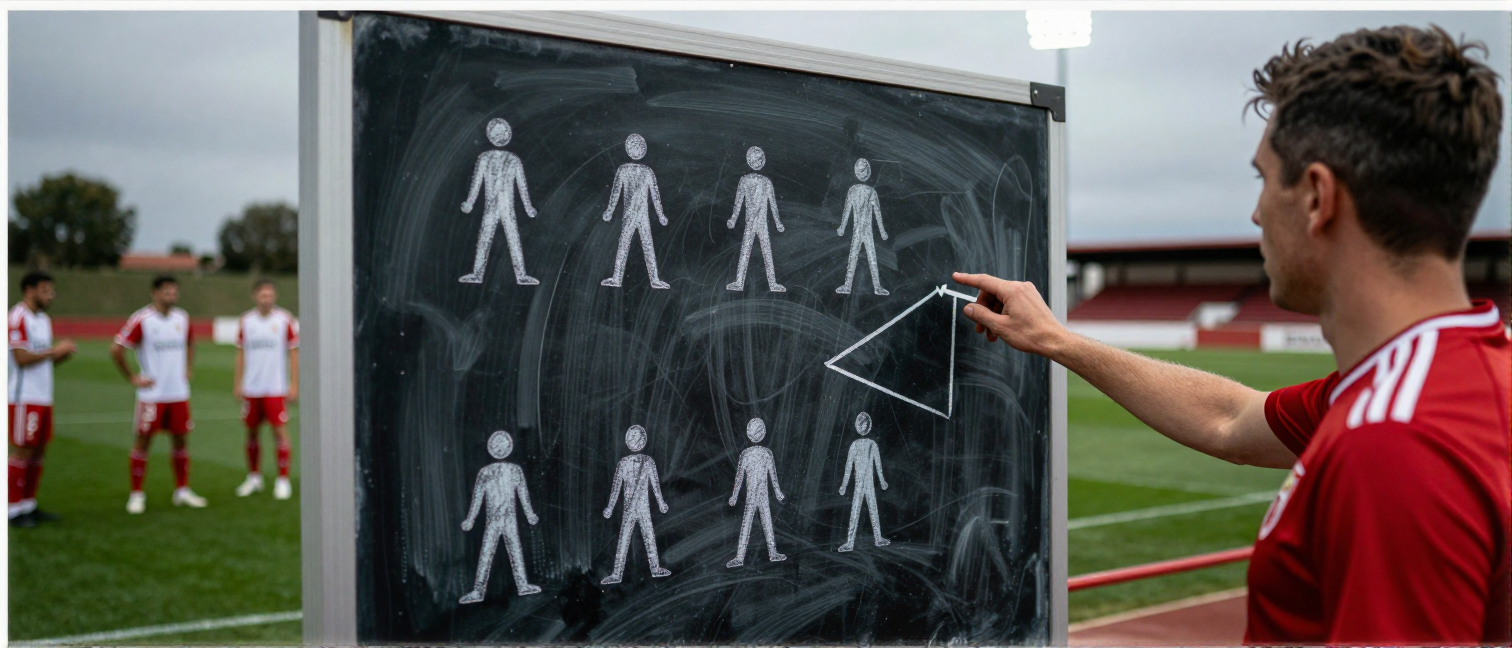
1. Midfield Resilience: To strengthen the midfield against pressing teams, Granada could consider deploying a more compact 4-3-3 formation. By adding an additional midfielder, they can better control the center of the park, allowing for quicker recovery of possession. This tweak would not only help in defending but also facilitate smoother transitions from defense to attack.
2. Utilizing Depth: Another adjustment could be the strategic rotation of players based on the opponent's style of play. For instance, introducing more dynamic midfielders who excel in ball recovery and distribution can change the tempo of the match. Players like Alberto Soro could be given more responsibility in orchestrating play, with his vision and passing range being crucial against teams that defend in numbers.
3. Defensive Organization: Enhancing defensive organization, especially in set-piece situations, is paramount. While the team has been generally solid, lapses in concentration have cost valuable points. Practicing defensive drills focusing on marking assignments and communication could significantly reduce these errors, ensuring they remain competitive in tight matches.
Conclusion
As Granada CF continues to navigate the challenges of the league, it is imperative for the coaching staff to remain agile in their tactical approach. By building on their current strengths and implementing the suggested adjustments, Los Nazaries can enhance their performance and make a stronger push for their objectives this season. The potential for growth is palpable, and with the right tweaks, Granada could transform their promising play into consistent results.