 Granada CF Hub
In recent weeks, Granada CF has demonstrated an encouraging resurgence, showcasing moments of tactical sophistication that hint at their potential to climb the league standings. However, for Los Nazaries to convert these flashes into sustained success, a closer examination of their recent form and potential adjustments is necessary.
Current Tactical Landscape
Granada's tactical setup has evolved into a fluid 4-2-3-1 formation that allows for both defensive stability and offensive creativity. The double pivot in midfield, often comprising players like Maxime Gonalons and José Antonio Martínez, has provided a robust shield for the back four while facilitating transitions to attack. The wide players, particularly Luis Milla and Antonio Puertas, have been pivotal in stretching the opposition and creating space for the more advanced playmaker, typically Bryan Zaragoza.
However, while the foundation is solid, there have been moments of vulnerability, particularly in counterattack situations. Opponents have exploited gaps left by full-backs pushing forward, often leading to quick transitions that catch Granada off guard. This highlights a need for tactical tweaks.
Suggested Tactical Adjustments
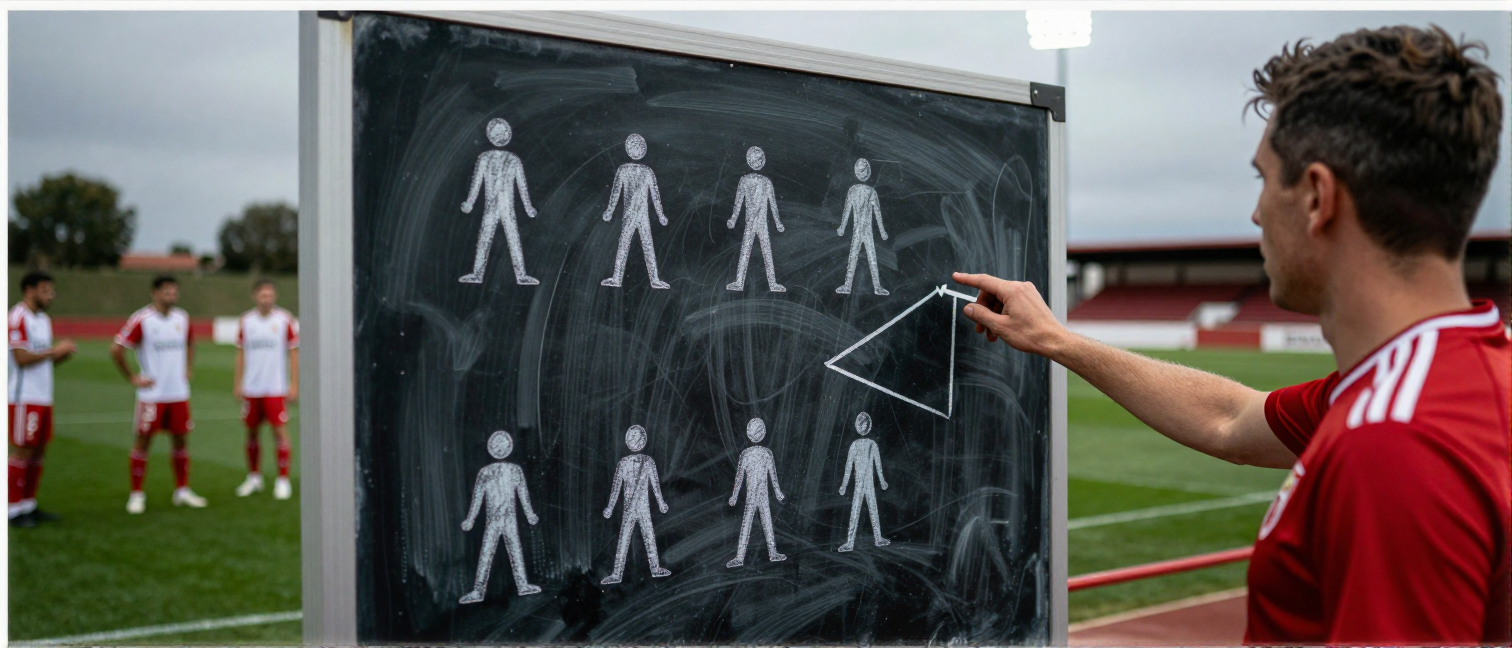
1. Defensive Awareness and Structure: One of the primary adjustments should involve enhancing defensive awareness during attacking transitions. Implementing a more disciplined approach when the full-backs join the attack could mitigate the risks associated with counterattacks. This could mean instructing one of the central midfielders to drop deeper when the team is in an attacking phase, forming a temporary three-man defense during transitions.
2. Utilizing a Wider Attack: While the current wide play has been effective, there is room for further exploitation of the flanks. Encouraging the wingers to cut inside more frequently can create overloads in central areas, allowing for combination play with the attacking midfielder. This tactical shift can also draw defenders out of position, creating gaps for late runs from the midfielders.
3. Pressing Strategy: Granada has shown glimpses of effective pressing, particularly in the final third. However, a more concerted effort to implement a cohesive pressing structure could yield dividends. By ensuring that players are synchronized in their pressing cues, they can force opponents into mistakes and regain possession higher up the pitch, leading to more goal-scoring opportunities.
4. Set-Piece Variations: Set-pieces represent a significant opportunity for Granada, yet they have often lacked creativity in these situations. Introducing varied routines that exploit the unique skills of players like Duarte or Milla could increase the team's threat from corners and free-kicks. This could involve rehearsing different formations and movements to confuse the opposition and create clear scoring chances.
Conclusion
Granada CF's recent form shows that they are capable of competing at a higher level, and with strategic tweaks, there is no reason they cannot establish themselves as a formidable force in the league. By tightening their defensive structure during transitions, enhancing their attacking width, refining their pressing strategy, and innovating set-piece routines, Los Nazaries could transform promising performances into tangible results. As the season progresses, these adjustments will be crucial for achieving their ambitions and rekindling the hope of their passionate fanbase.