 Granada CF Hub
Tactical Tweaks for Granada CF: Optimizing Recent Performance
As Granada CF navigates the ups and downs of the current season, fans have witnessed both promising displays and frustrating inconsistencies. The team, known for its spirited play and tactical adaptability, has often left supporters yearning for a more cohesive strategy. A detailed analysis of their recent form indicates that with some tactical tweaks, Los Nazaries could elevate their game significantly.
Recent Form: The Good and the Bad
Granada's recent matches have showcased their ability to create scoring opportunities, particularly through fast transitions and pressing play. However, defensive lapses and a lack of fluidity in the midfield have often undermined their efforts. For instance, while the forwards have shown a knack for finding the back of the net, the midfield has struggled to maintain possession and provide adequate support defensively. This imbalance can lead to vulnerabilities that opponents are quick to exploit.
Tweaking the Formation
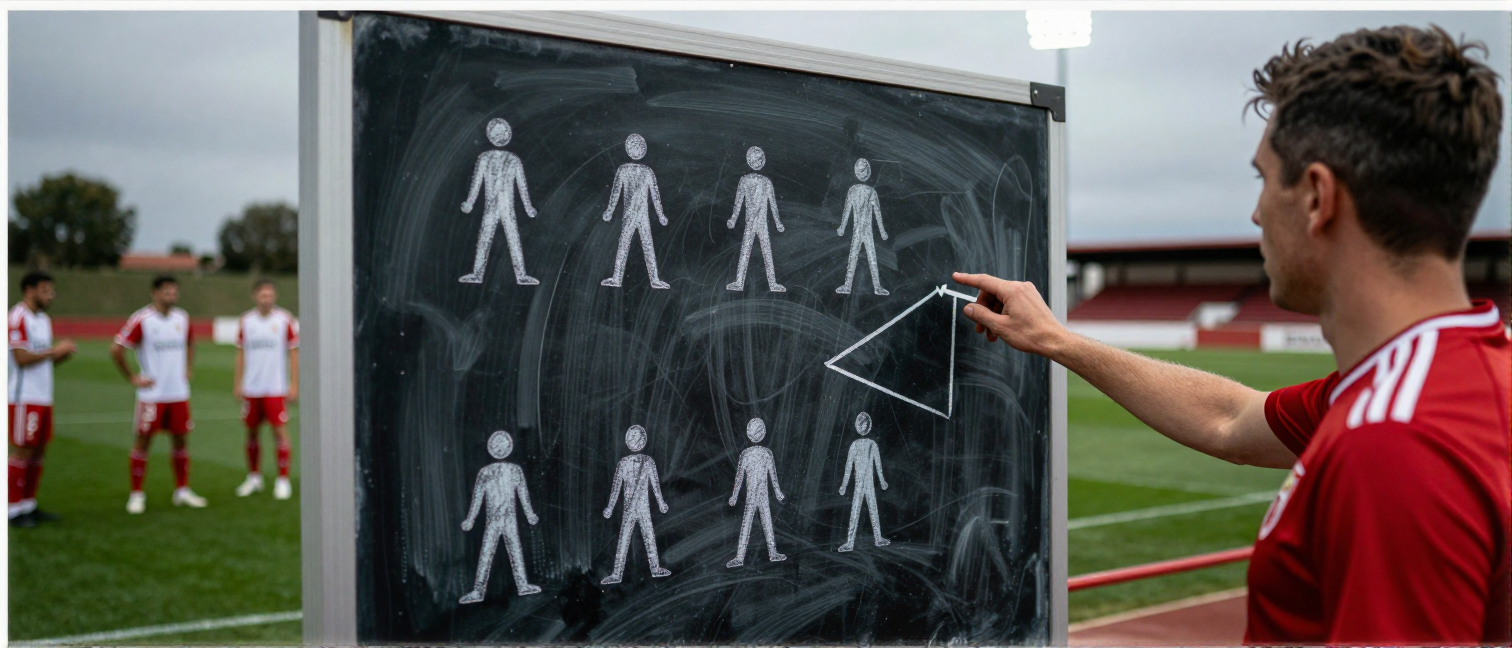
One of the most effective adjustments could involve a shift in formation from the traditional 4-2-3-1 to a more dynamic 4-3-3 system. This change would allow for greater midfield control, enabling players to support both the attack and the defense more effectively. In a 4-3-3 setup, the central midfielder can act as a pivot, facilitating quicker transitions and ensuring that the team maintains a solid shape when defending. The addition of a third midfielder would enhance ball retention and provide additional support for both offensive and defensive phases of play.
Midfield Dynamics
To implement this new formation effectively, key players must be positioned strategically. Midfielders like Víctor Díaz could play a pivotal role, utilizing their vision and passing range to connect the defense and attack. Moreover, the inclusion of a more defensively-minded midfielder, such as Domingos Duarte, can provide extra cover, allowing the full-backs to push forward and contribute to the attack without leaving defensive gaps.
Defensive Cohesion
Granada's defensive structure has shown signs of fragility, particularly when facing quick counter-attacks. Enhancing communication between the center-backs and the goalkeeper is crucial, as is the need for full-backs to be more disciplined in their positioning. By employing a zonal marking system, the team can better handle set-pieces and minimize the risk of conceding goals from crosses. This tactical adjustment will not only solidify the backline but also support the team's overall balance.
Fluidity in Attack
In the attacking phase, encouraging wingers to cut inside can create space for overlapping full-backs, allowing for more diverse attacking patterns. Forwards should also be encouraged to interchange positions, making it difficult for defenders to track runs. This fluidity can lead to more unpredictable attacking movements, which could be crucial in breaking down stubborn defenses.
Conclusion
Granada CF possesses the talent and potential to make significant strides in their league performance. By implementing these tactical tweaks — transitioning to a 4-3-3 formation, enhancing midfield dynamics, reinforcing defensive cohesion, and fostering fluid attacking movements — the team can strike a better balance and improve their consistency on the pitch. As Los Nazaries look to climb the league table, these adjustments will be essential for maximizing their strengths and minimizing vulnerabilities.